Art Supplies
Where did you get your sketch easel? What paints do you use? What kind of bag is that? Inquiring minds? Get to know!
I typically refrain from talking much about products and supplies as I think it's easy to get carried away by gear and forget why we're drawing in the first place. At the end of the day, it's important to remember our art supplies are just tools, and tools are only as useful as we make them through ongoing practice. With that said, however, I do also appreciate stumbling upon the occasional supply list and the little gems I find along the way. If sharing some of my favorite tools here inspires you to make art, then I consider this guide a success. 😊
Watercolor Paints
I work between two main sets of watercolor paints: my Field Palette, which goes virtually everywhere I go, and my 365 Skies Palette, which is tailored around the colors I use most when painting skies (all colors are listed below).
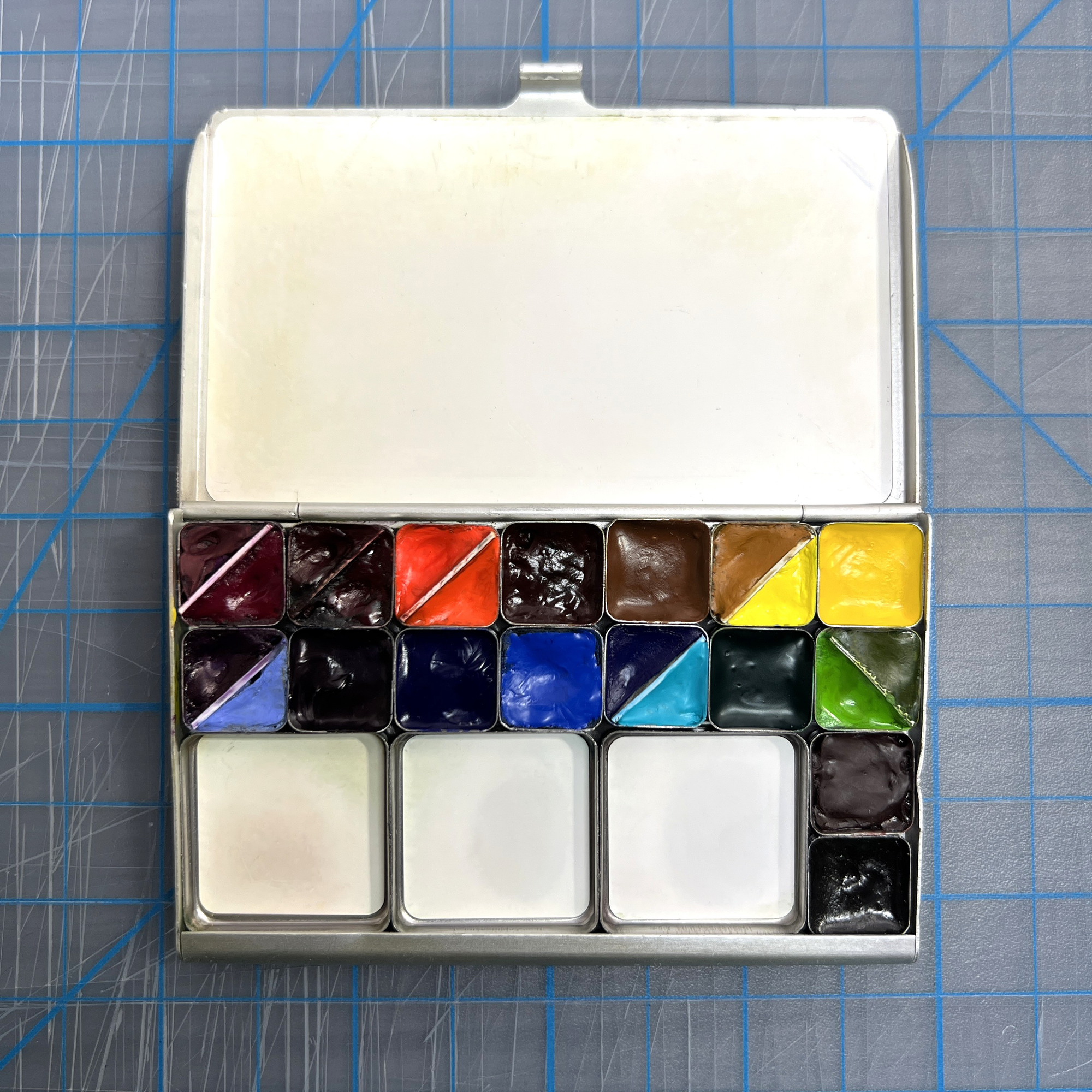
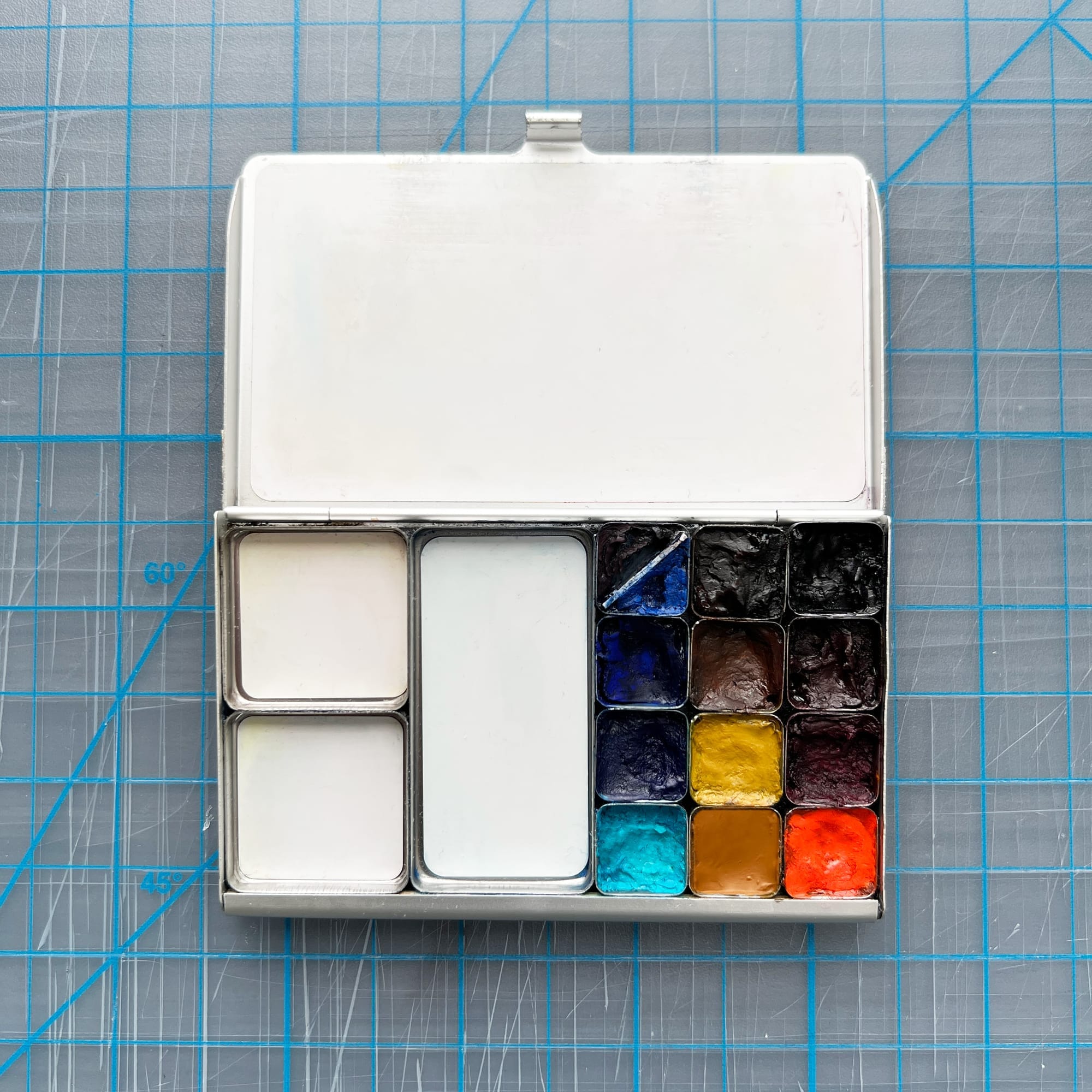
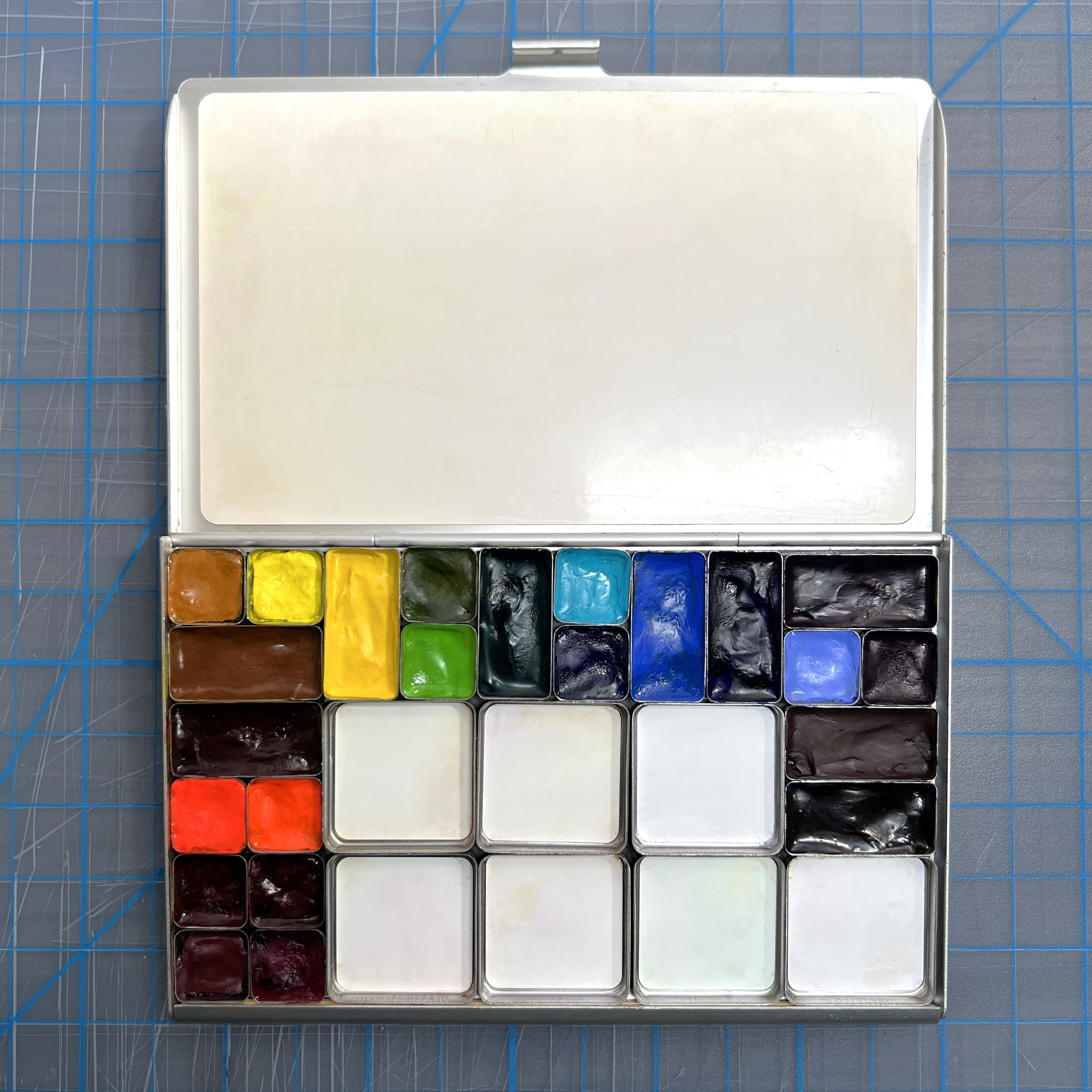
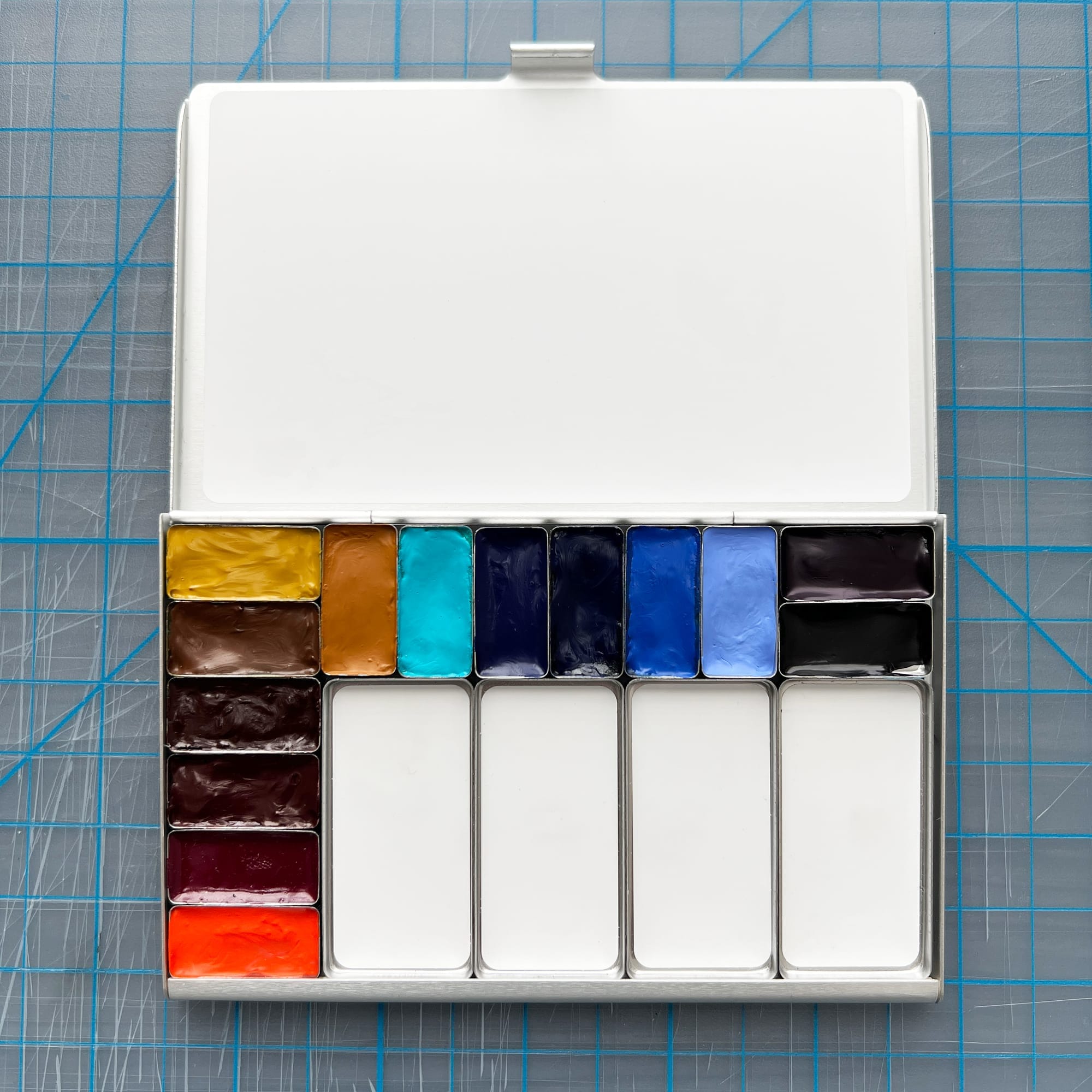
I use ArtToolkit palettes for my 365 Skies palettes. The smaller palettes (top two images) are of the Pocket Palette, my #1 choice for field work. The larger palettes (bottom two images) are of the Folio Palette which I use for studio work.
The Palettes Themselves
I adore ArtToolkit watercolor palettes and have several which are arranged for different kinds of work. If you choose to make a purchase via ArtToolkit, you can use the promo code BROOKE10 to get 10% off qualifying items.
ArtToolkit Pocket Palette: This is the palette that goes everywhere with me, including on long hikes in the high Sierras.
Measures 3-⅝" x 2-¼" x ¼" (~92mm x 64mm x 7mm) when closed.
ArtToolkit Folio Palette: This larger palette is wonderful for studio work.
Measures 5-5/16" x 3-3/8" x 1/4" (~135mm x 86mm x 7mm) when closed.
Field Palette Paints
Here are the watercolor paints in my field palette:
- Potter's Pink (Winsor & Newton)
- Purple Magenta (Schmincke)
- Perylene Maroon (Daniel Smith)
- Alizarin Crimson (Schmincke)
- Cadmium Scarlet (Winsor & Newton)
- Pyrrol Orange (Daniel Smith)
- Quinacridone Burnt Orange (Daniel Smith)
- Quinacridone Gold (Daniel Smith)
- Yellow Ochre (Daniel Smith)
- Cadmium Lemon (Winsor & Newton)
- Hansa Yellow Medium (Daniel Smith)
- Green Gold (Winsor & Newton)
- May Green (Schmincke)
- Phthalo Green (Yellow Shade) Daniel Smith
- Cobalt Turquoise (Schmincke)
- Helio Cerulean (Schmincke)
- Cobalt Blue (Winsor & Newton)
- French Ultramarine (Winsor & Newton)
- Indanthrone Blue (Daniel Smith)
- Lavender (Holbein)
- Quinacridone Purple (Daniel Smith)
- Bloodstone Genuine (Daniel Smith)
- Neutral Tint (Daniel Smith)
365 Skies Palette Paints
Here are the watercolor paints in my 365 Skies palette:
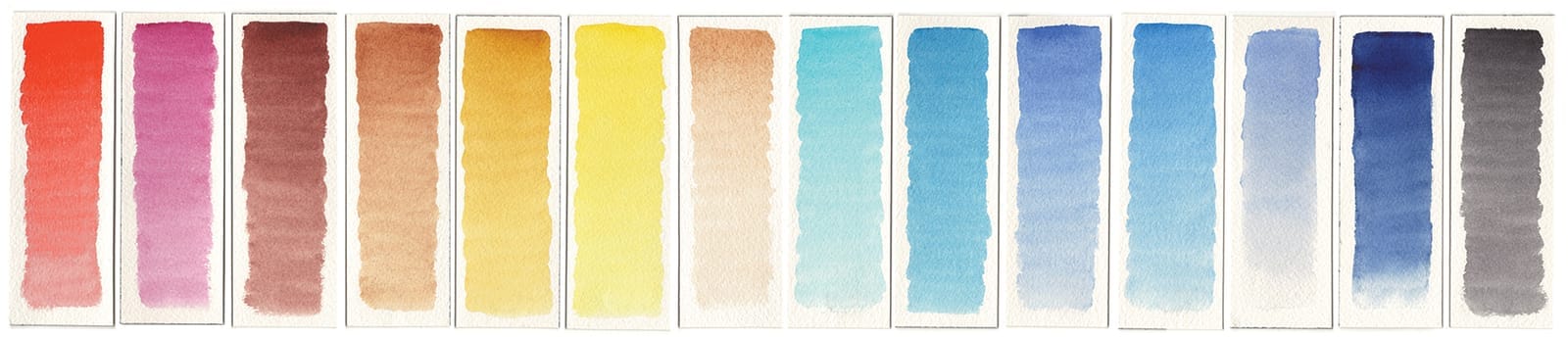
- Pyrrol Orange (Daniel Smith)
- Purple Magenta (Schmincke)
- Perylene Maroon (Daniel Smith)
- Quinacridone Burnt Orange (Daniel Smith)
- Quinacridone Gold (Daniel Smith)
- Indian Yellow (Daniel Smith)
- Yellow Ochre (Daniel Smith)
- Cobalt Turquoise (Schmincke)
- Helio Cerulean (Schmincke)
- French Ultramarine (Winsor & Newton)
- Cobalt Blue (Winsor & Newton)
- Lavender (Holbein)
- Indanthrone Blue (Daniel Smith)
- Neutral Tint (Daniel Smith)
Watercolor Brushes
What I take into the field vs. what I use varies a lot by where I'm going, how long I'll be out, and how long I'll have to settle in and paint.
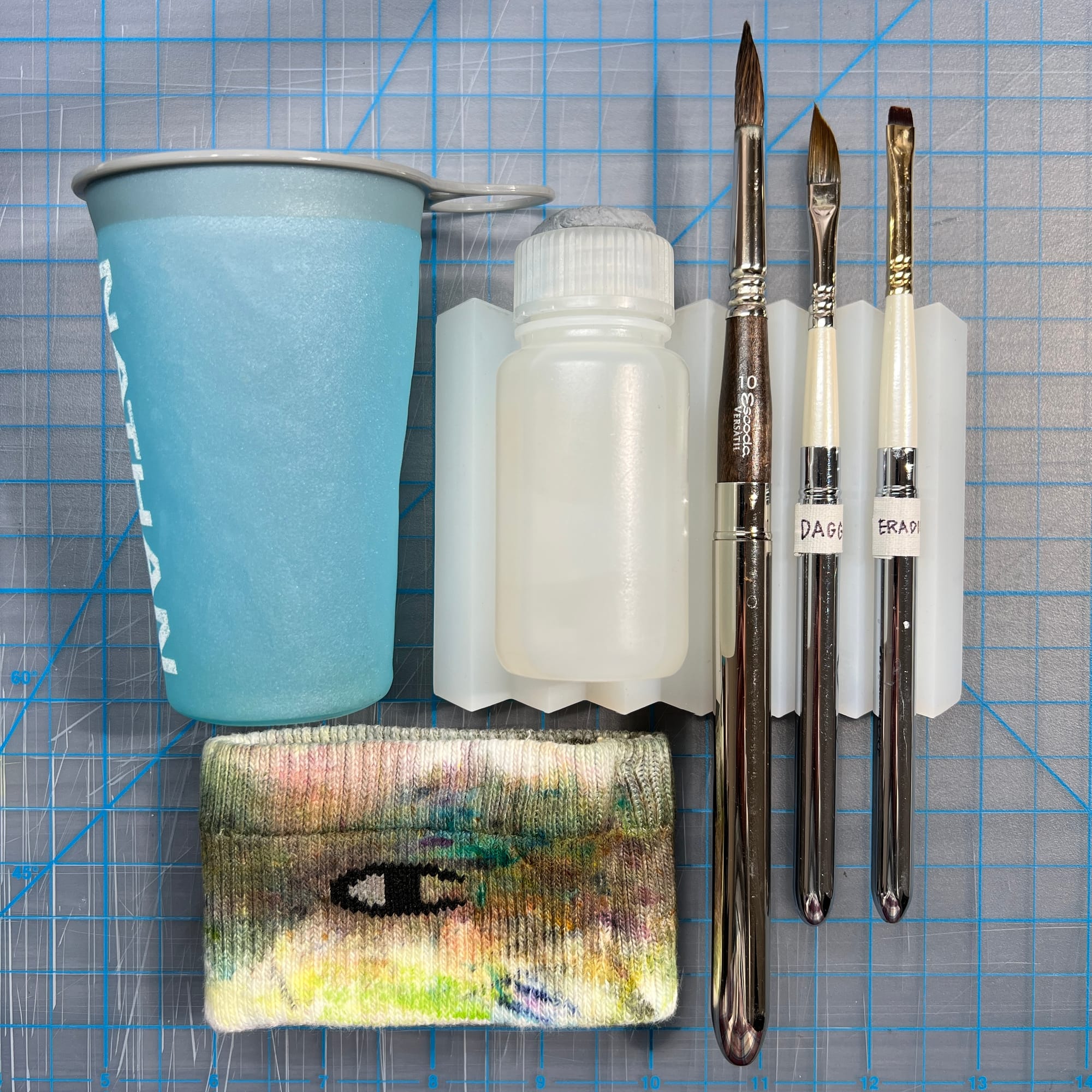
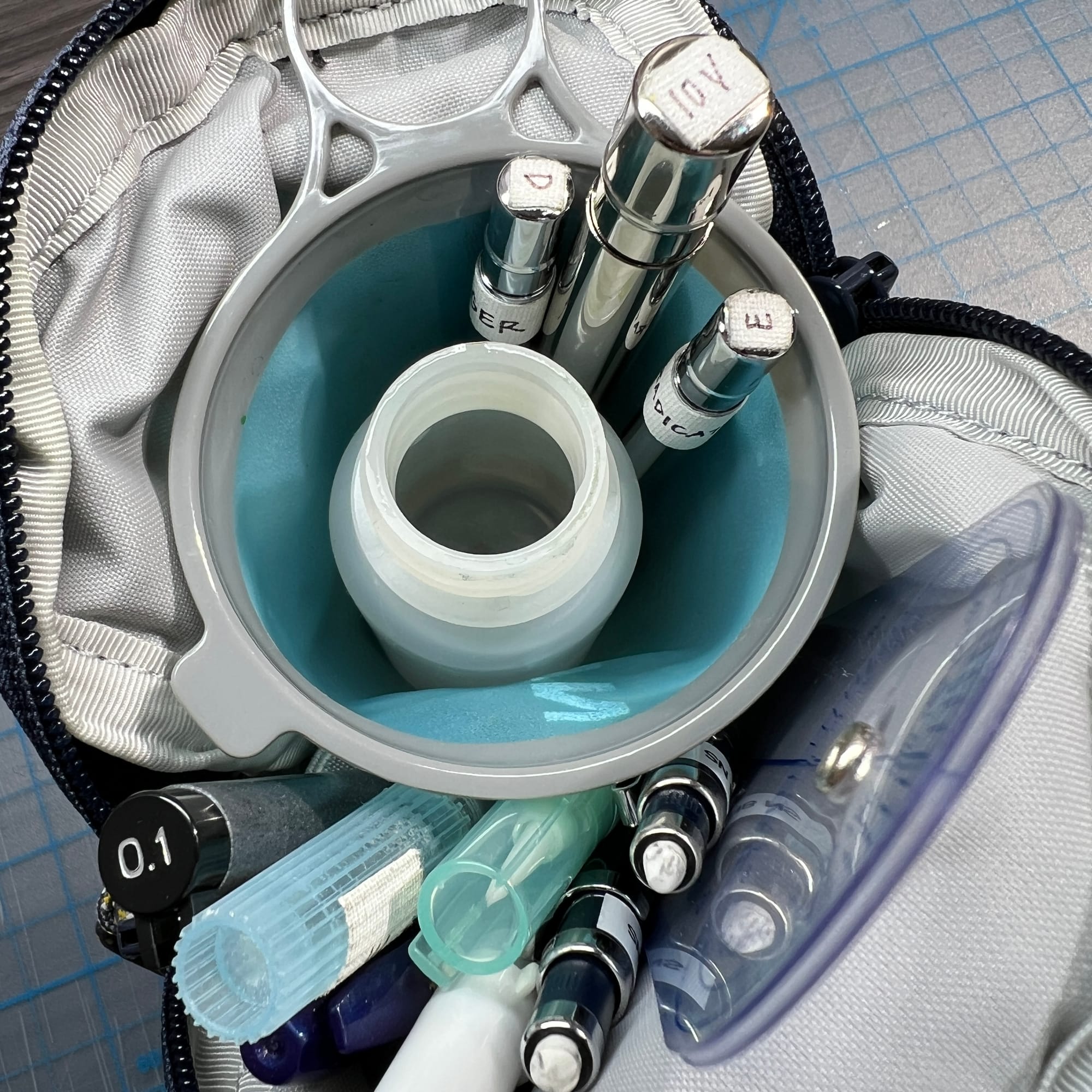
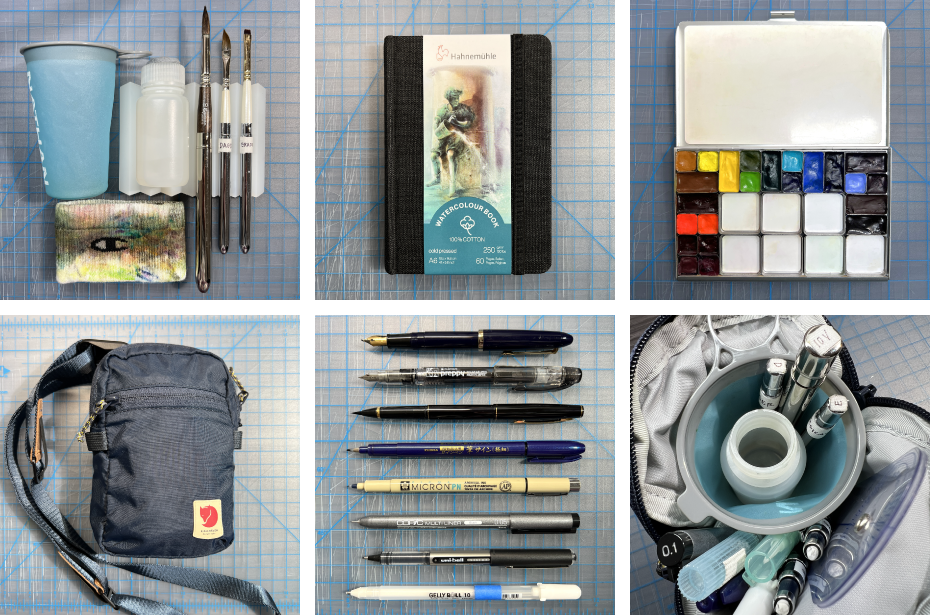
My set-up for my regular brushes and water management solution for painting in the field. Notice how I've nested the Nalgene bottle in the Nathan Running Cup to prevent water from sloshing in my bag.
Field Brushes
In the field, I prefer waterbrushes for their portability and convenience, however, I do sometimes bring my regular travel brushes and a small vessel of water to paint with when I have more time and/or want to do more detailed paintings.
Waterbrushes:
- Pentel Aquash (Large)
- Faber-Castell Deluxe Water Brush (Small/Fine)
- Kuretake Fude Water Brush Pen (Flat)
Regular Brushes:
- Size 10, pointed travel brush (Escoda Versatil)
- R12 Pocket Dagger (1/4" brush size) (Rosemary & Co)
- Eradicator travel brush (Rosemary & Co R24)
Water Management:
When painting with regular brushes in the field, I carry my water securely in a small, wide-mouth Nalgene Bottle (2 ounces). When finished painting, I dispose of my water safely (I never dump my paint water out on the ground).
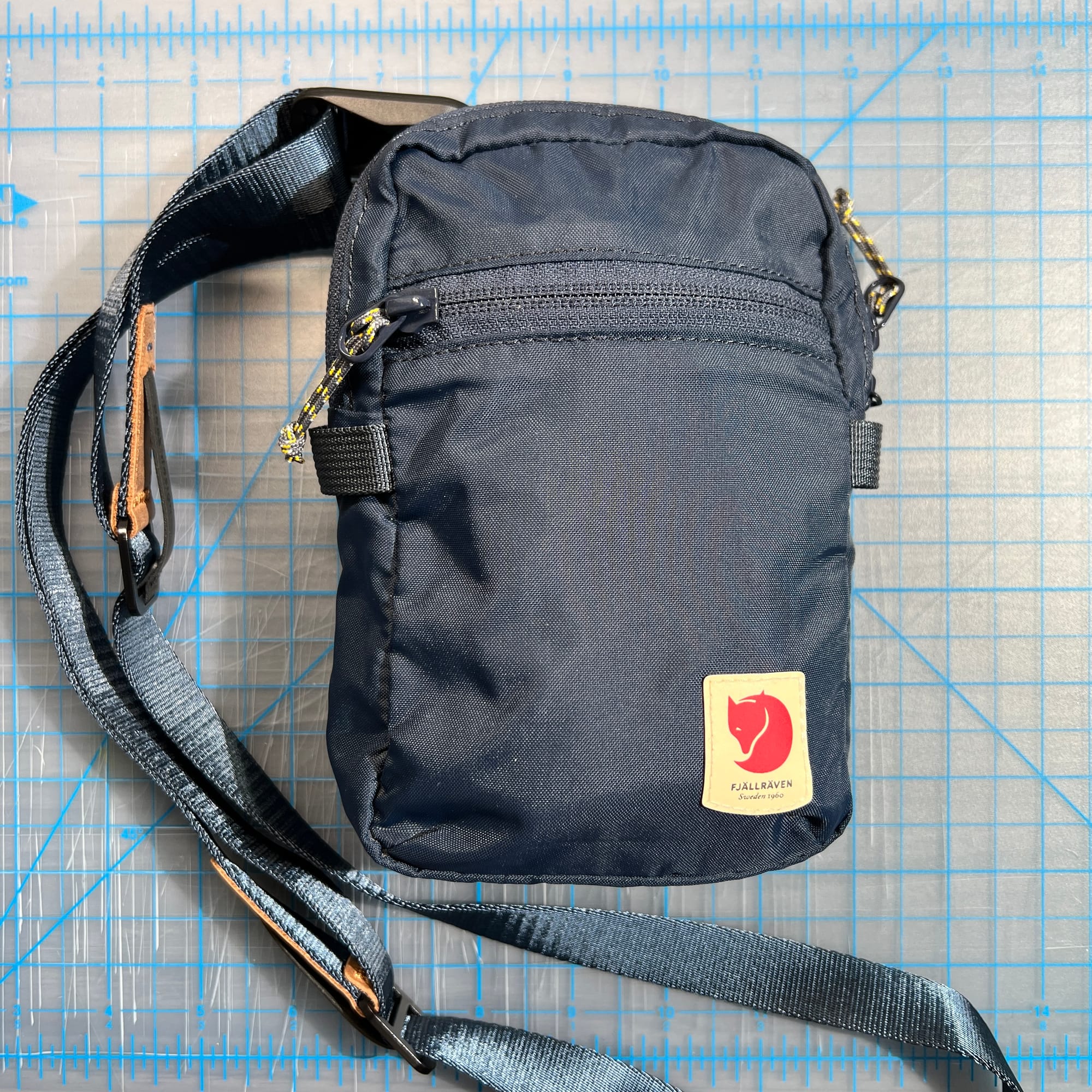
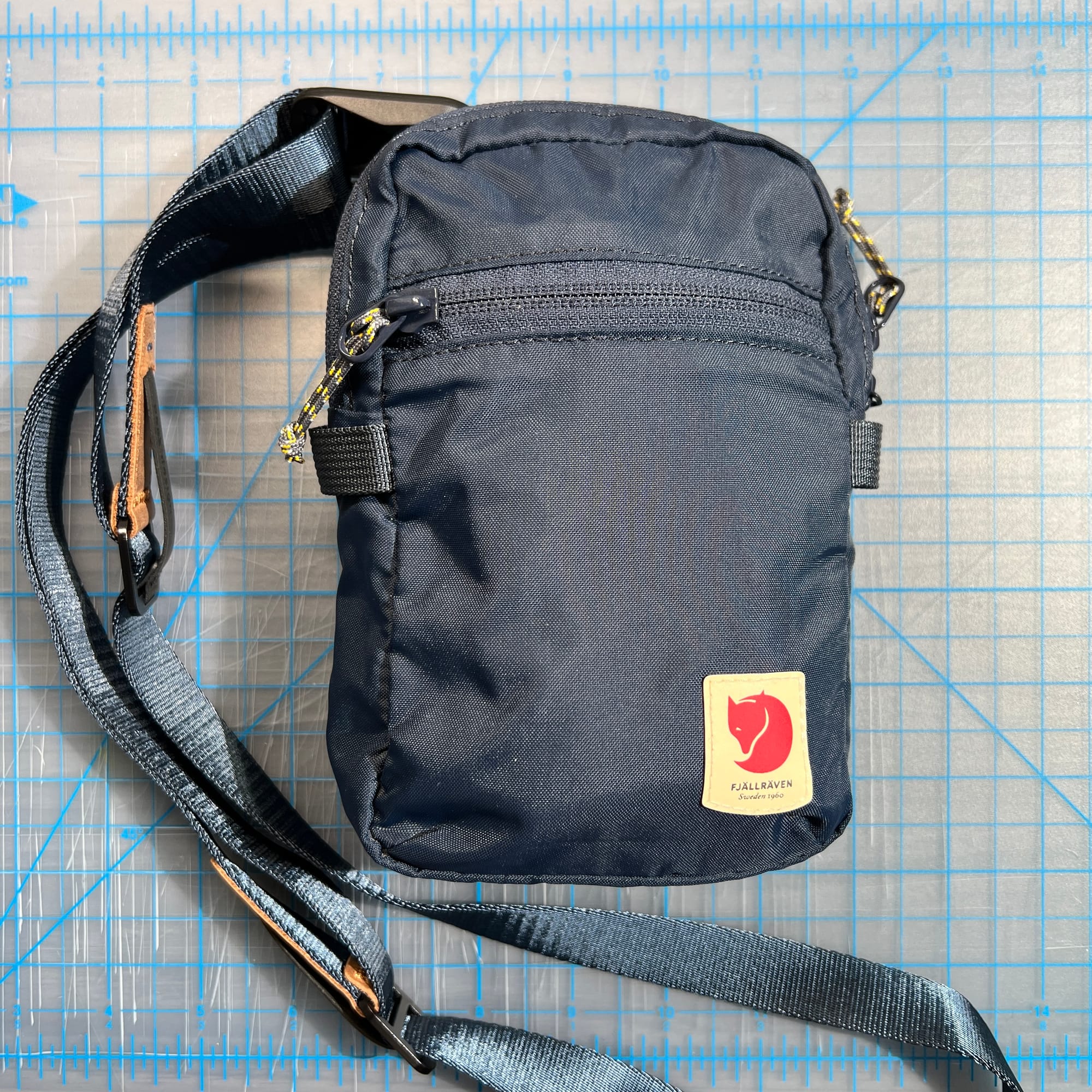
To keep my water from sloshing around and spilling onto me or into my bag, I nest it along with my brushes in a Nathan Race Day Running Cup. This all lives in my minimalist Fjällräven High Coast Shoulder Pack with a Peak Design Leash Camera Strap. This bag which also holds the rest of my tools, including my ArtToolkit Pocket Palette.
My set-up for my regular brushes and water management solution for painting in the field. Notice how I've nested the Nalgene bottle in the Nathan Running Cup to prevent water from sloshing in my bag.
Studio Brushes
These brushes are always at-the-ready on my art desk:
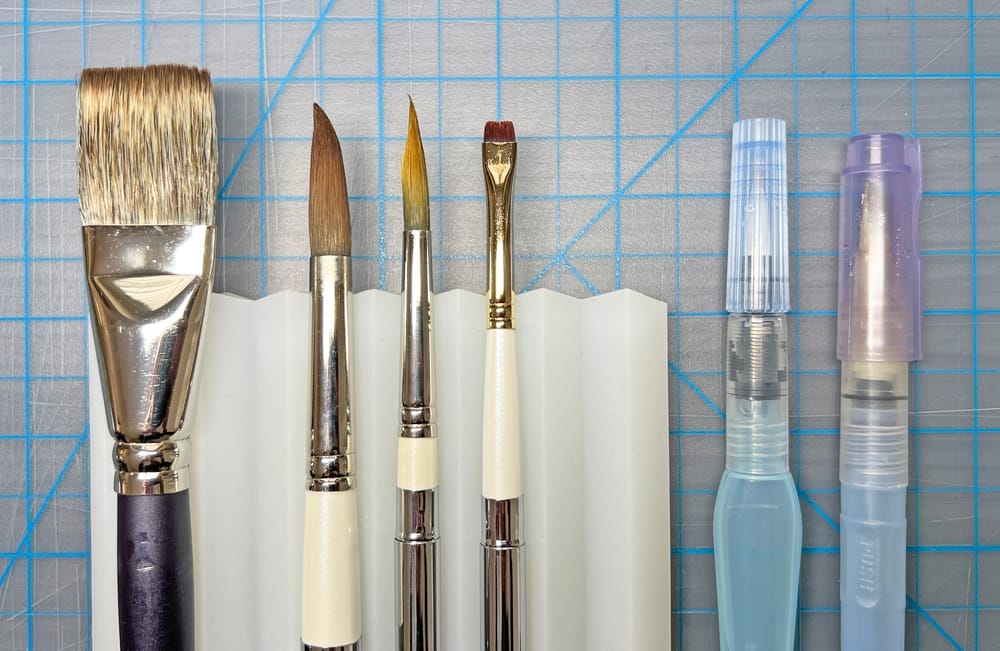
These are my favorite brushes to use in the studio. If you choose to make a purchase via ArtToolkit, you can use the promo code BROOKE10 to get 10% off qualifying items.
- Size 24, flat (Royal & Langnickel Sovereign)
- Size 12, pointed round travel brush (Rosemary & Co R19)
- Size 8, pointed travel brush (Rosemary & Co R10)
- Eradicator travel brush (Rosemary & Co R24)
- Waterbrush(es) when in a pinch: Pentel Aquash (Medium) and Kuretake Fude Water Brush Pen (Flat)
Paper
My favorite sketchbook journal and papers for painting watercolor skies.
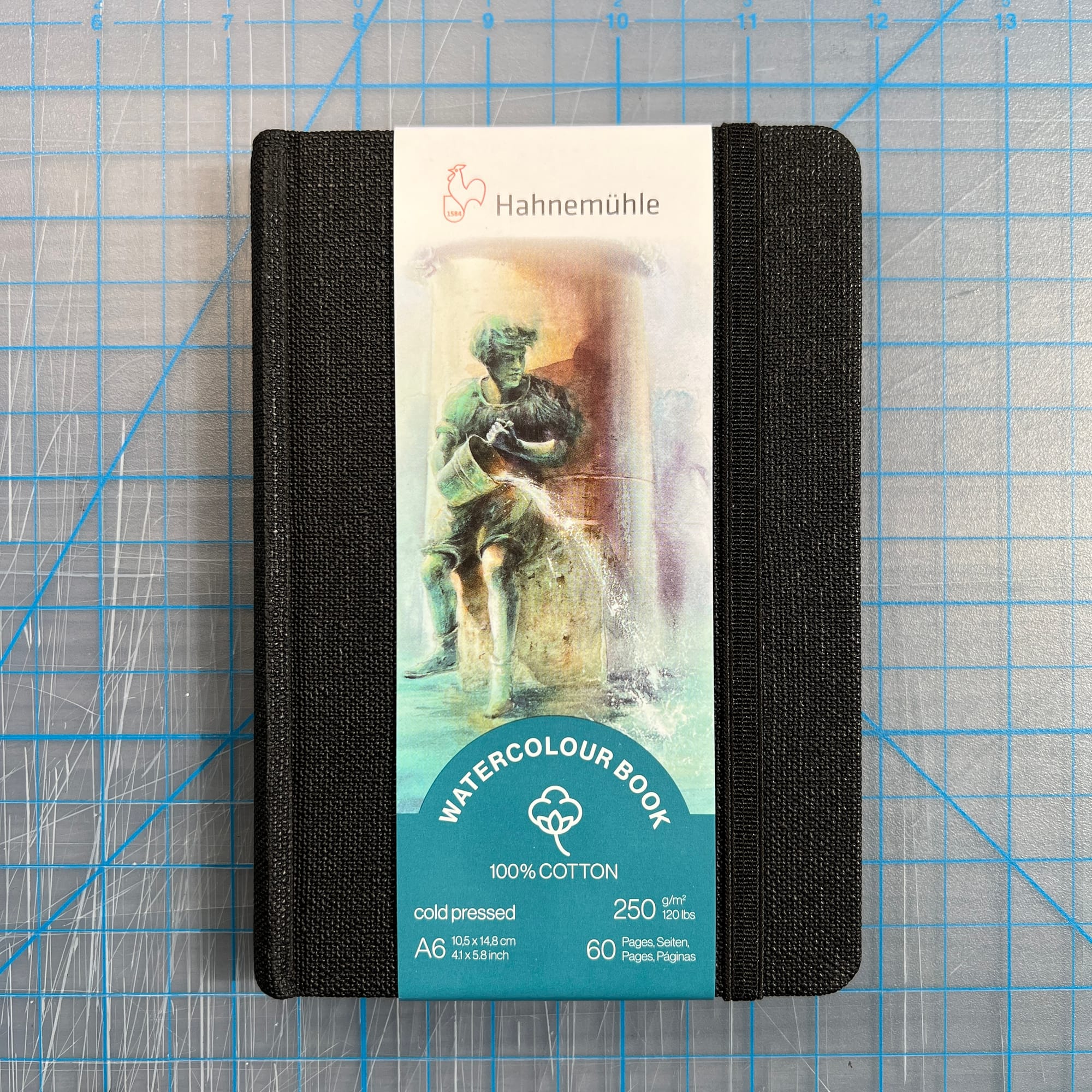
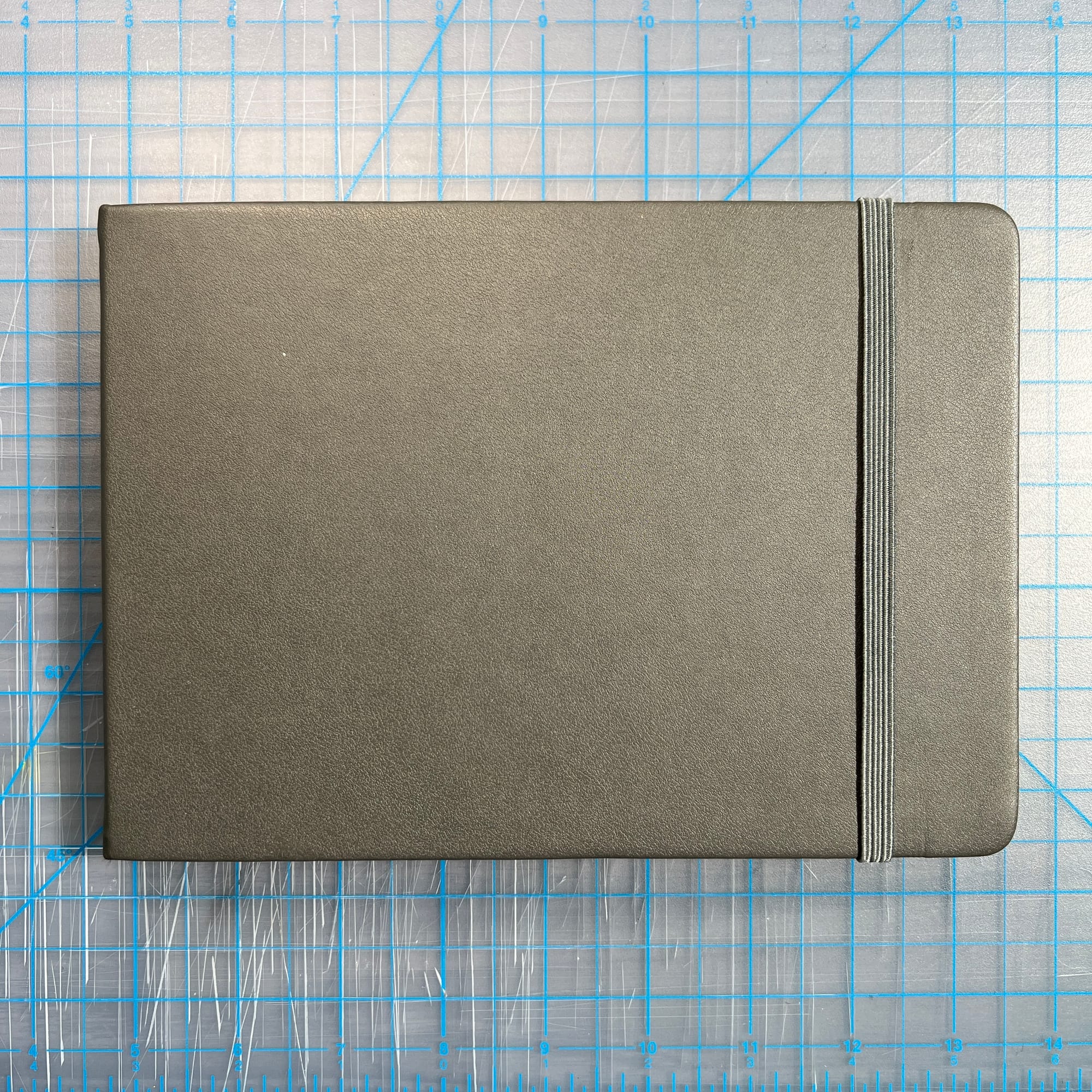
For nature journaling and urban sketching...
My go-to is the Hahnemuhle Watercolor Book, 100% Cotton, Cold Press, usually in A6 Portrait size.
For skies...
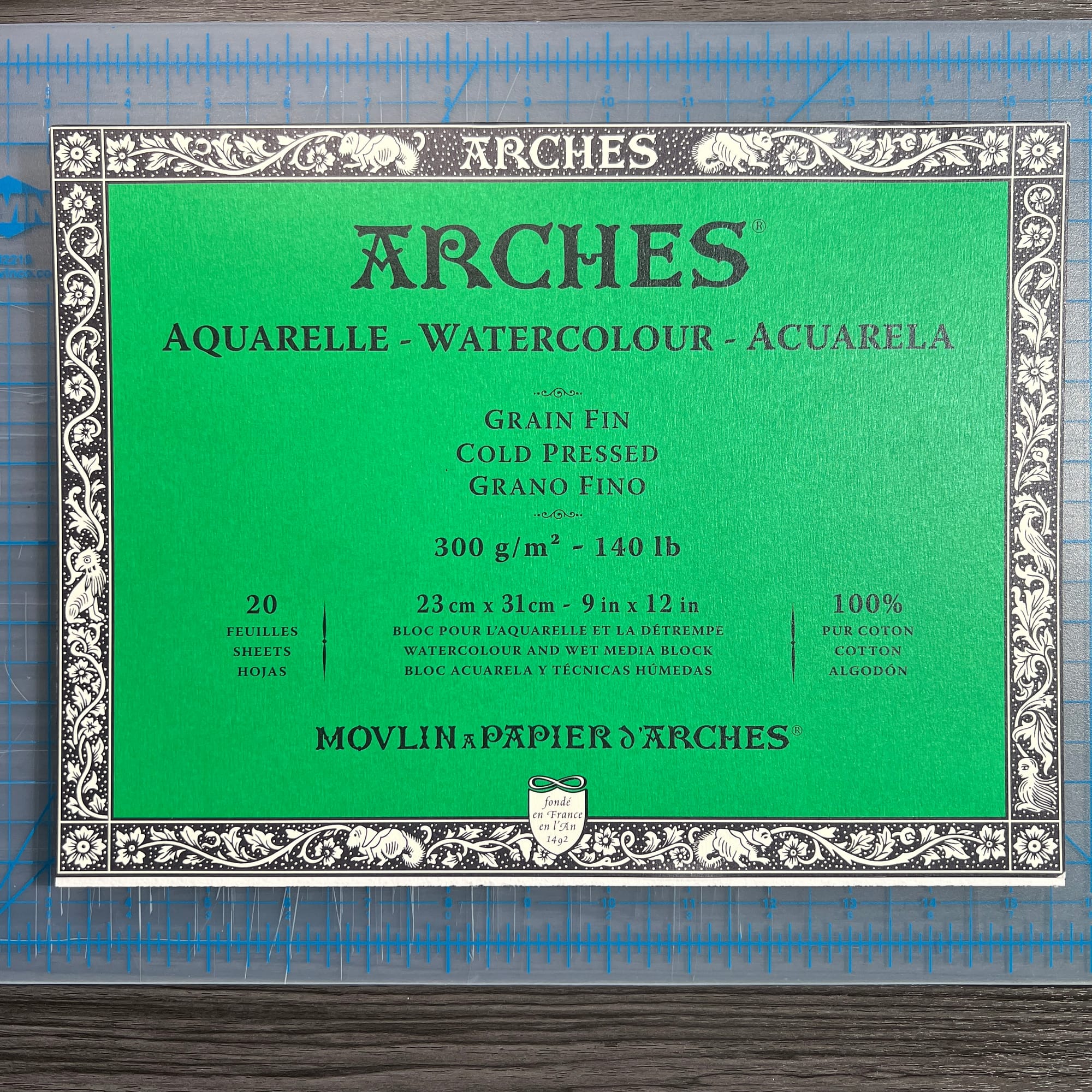
100% cotton is recommended as it has a big impact on my skies. I prefer white paper as the color of the paper impacts the whiteness of clouds and highlights. Here are my favorite paper types for watercolor skies:
- Arches Cold Press Watercolor Block, 100% Cotton, 140 lb. (300 gsm)
- Etchr “The Perfect Sketchbook,” 100% Cotton, Cold Press, 140 lb. (300 gsm)
Pencils & Pens
My favorite pencils and pens for sketching and writing.
Mechanical Pencils
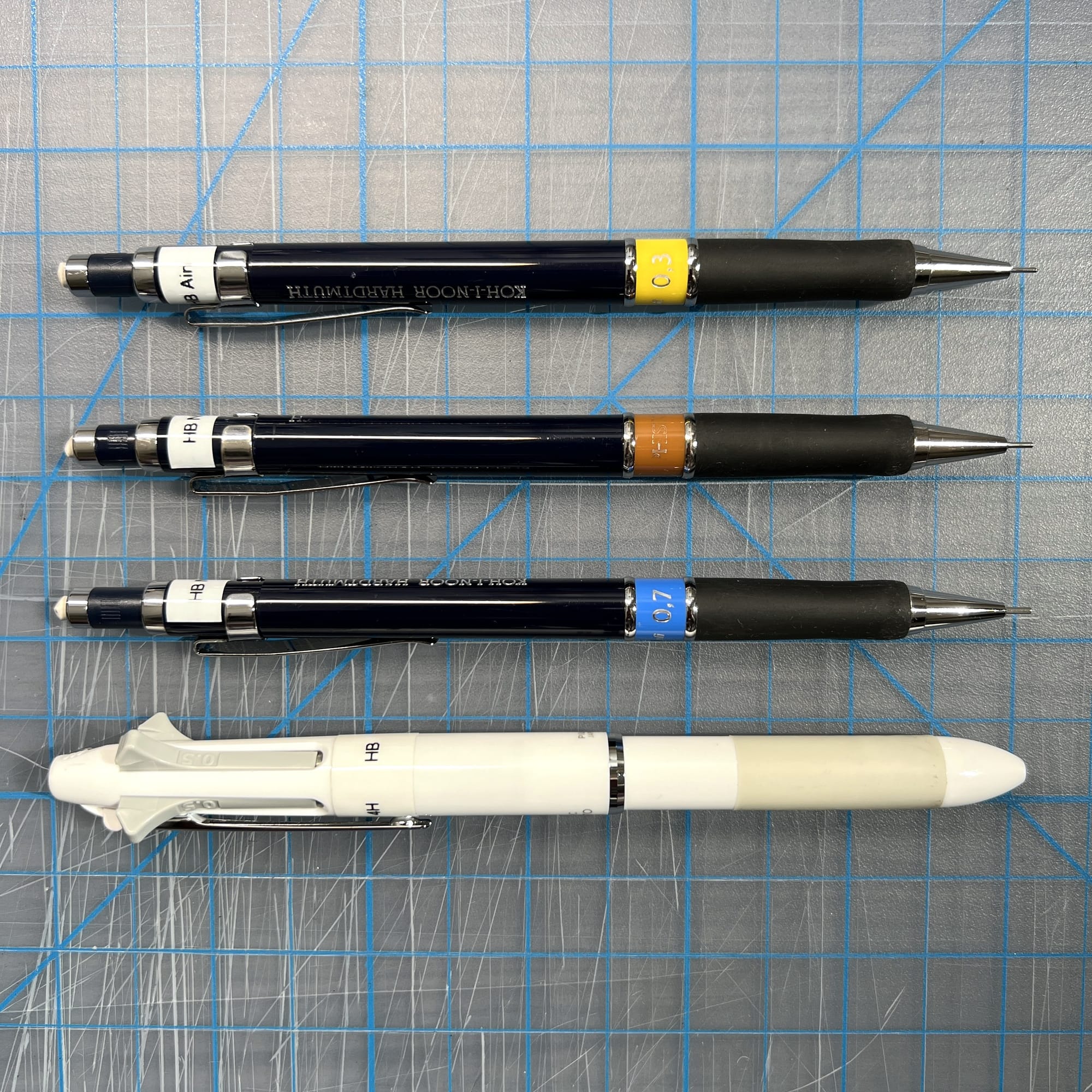
I prefer mechanical pencils as they always stay sharp and allow me to leave a pencil sharpener at home when I go out to sketch (this way, I also don’t have to fuss with carting around all my pencil shavings).
- I became a fan of the Koh-I-Noor Hardtmuth Mephisto mechanical pencil (0.5) many years ago, way before I got into drawing. This pencil just feels perfect in my hand–I love it. I have two others in my kit (Koh-I-Noor 0.3 and Koh-I-Noor 0.7) for a variety of line weights and details.
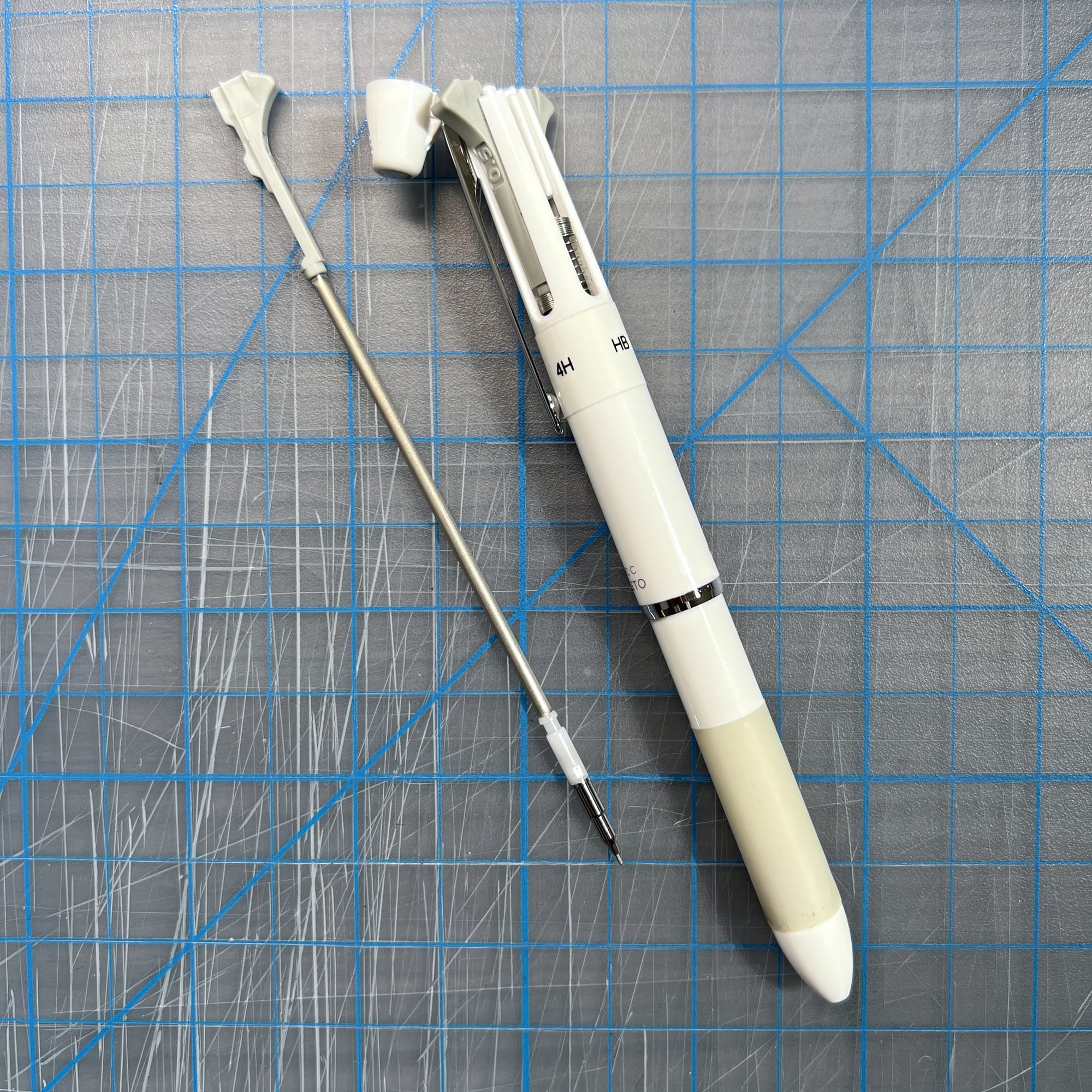
- When my tool space is more limited, I turn to the Pilot HI-Tec-C Coleto, which can house up to four different leads or pen refills.
Fountain Pens & Brush Pens
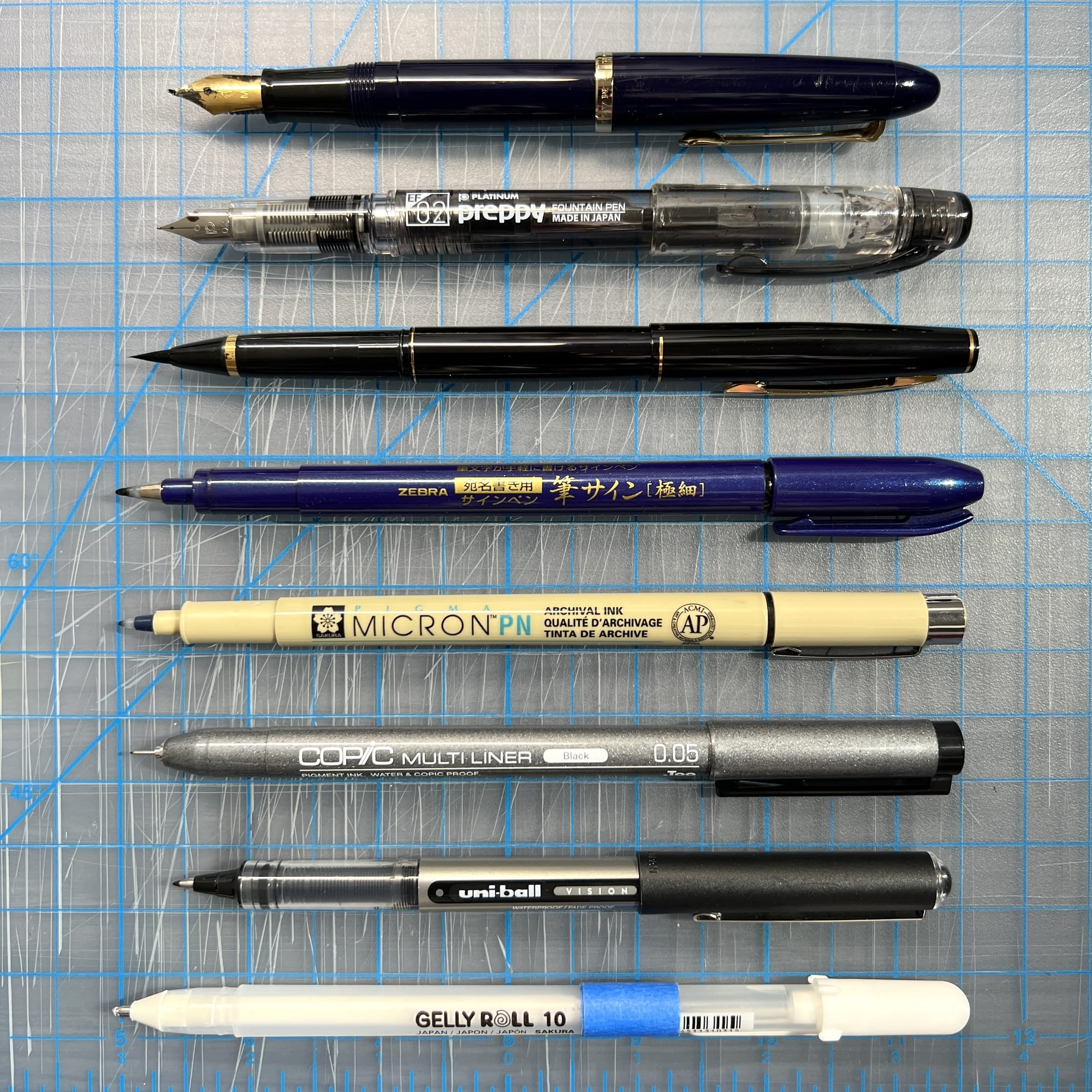
- My top choice for fountain pen sketching is the Sailor Fountain Pen Profit Fude de Mannen (pen #1 show in the photo above) which features a wonderfully expressive nib that can shift from broad strokes to ultra-fine lines, giving a beautifully organic character to nature sketches. I use this setup with the Sailor Fountain Pen Ink Converter filled with with Platinum Carbon Ink.
- For longer writing sessions, I rely heavily on the Platinum Preppy Fountain Pen with the 02 Extra Fine nib (pen #2). It’s reliable, predictable, and writes cleanly from a range of angles—important for me as a lefty who switches between side-handed and slightly over-handed positions. It’s also very budget-friendly at around $7. The lightweight plastic barrel feels great in hand, and the cap posts securely and includes Platinum’s “Slip and Seal” mechanism, which keeps the nib from drying even after a year of no use. I pair this with the Platinum Fountain Pen Ink Converter and Platinum Carbon Ink.
- I sometimes like to use a brush pen for bold, expressive lines. For this, I like the Kuretake Fountain Brush Pen (pen #3) which I fill with Platinum Carbon Ink.
- The Zebra Pen Zensations Brush Pen (pen #4) has a super-fine tip which flexes to allow a range of line weights.
Other Pens
- I like to have a Micron Sakura Pigma PN pen (pen #5) handy, which allows me to achieve a range of line weights. In my experience, Micron pens seem to hold up best to water when I add in my watercolors.
- I like to have a fine liner in my kit and prefer Copic Multiliners (pen #6) over Micron Pens as their caps re-post more securely than Microns and they have a less-pronounced ridge near the tip, which is more comfortable on my fingers.
- I’m a fan of Uni-Ball Vision Rollerball pens (pen #7) for their smoothness and line weights, especially the Micro Tip. They’re mostly water-proof and are great for writing.
- The Sakura Gelly Roll 10 (pen #8) is my not-so-secret tool for adding in white highlights on top of my paint and has been especially helpful when painting waterscapes.
- Tombow Dual Brush Pen Art Markers, Greyscale (not pictured) are great for quick value studies.
Pen Accessories
- I like to keep my most-used pencils and pens attached to my sketchbook at all times. To do this, I use a Diodrio Adjustable Pen/Pencil Holder, to which I stick a ProCase Loop Holder to add one more slot.
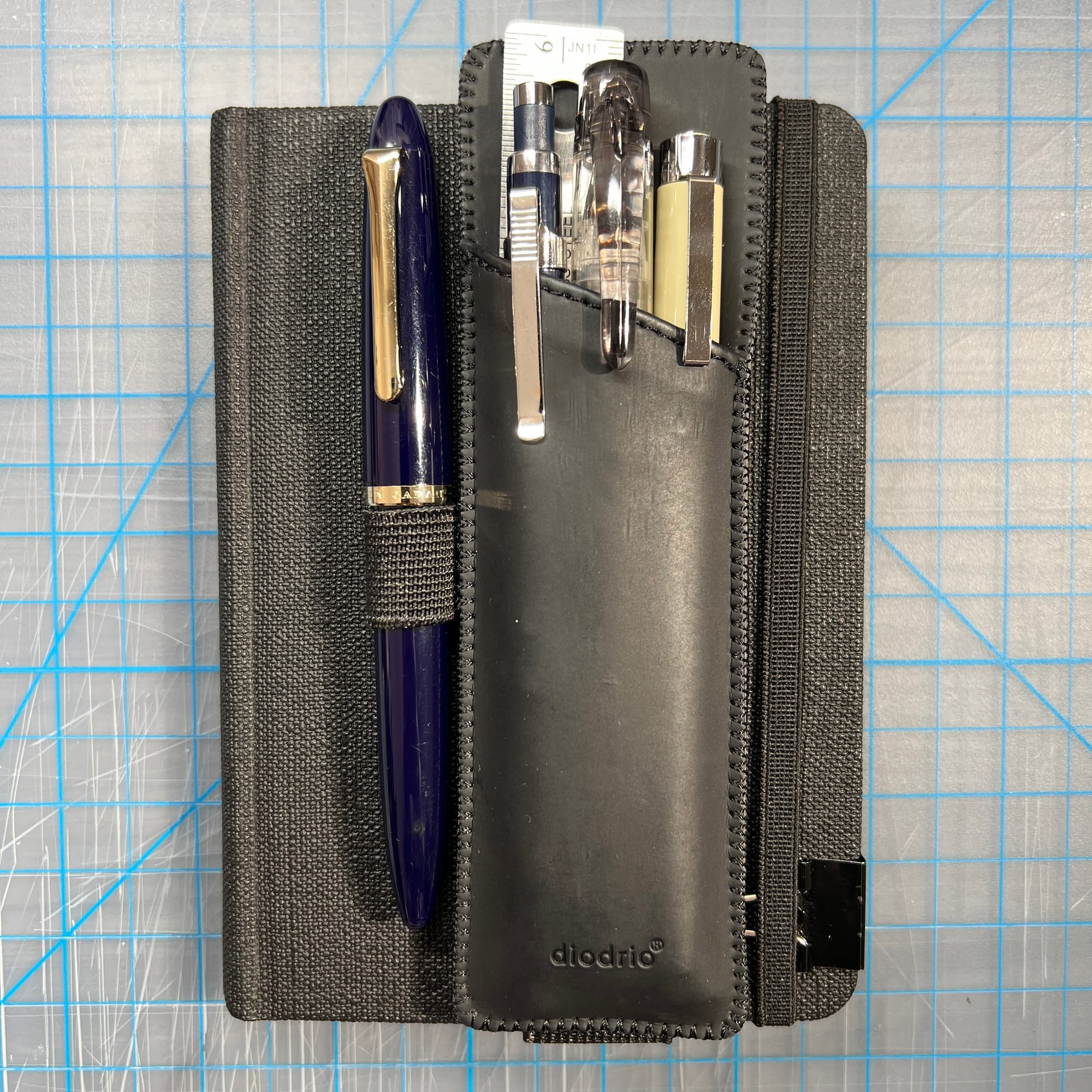
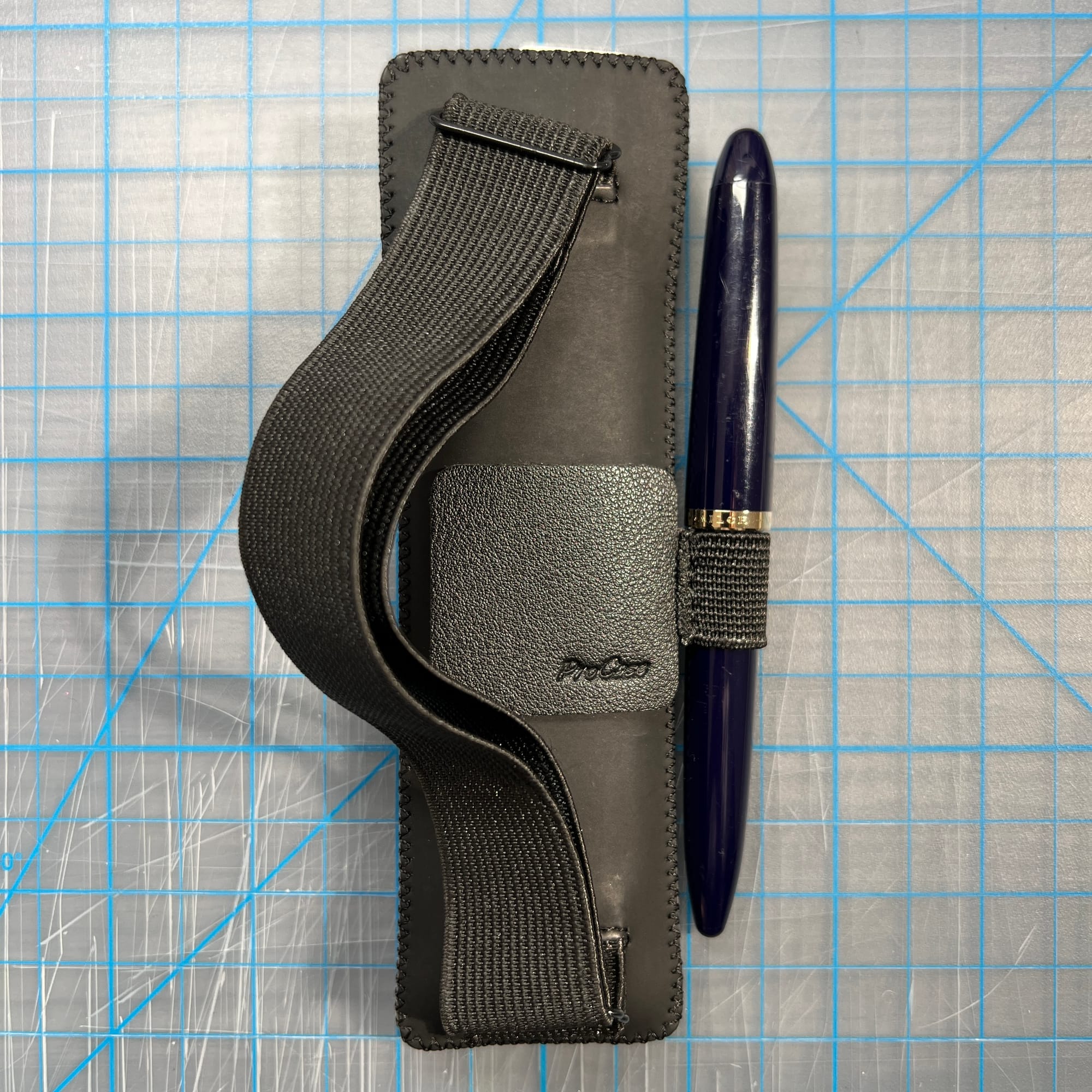
The Diodrio Adjustable Pen/Pencil Holder ensures I also have my favorite tools handy when I pull out my sketchbook.
Easels
I get a lot of requests about how I make my hands-free easel and monopod easel and would love to put together a full-fledged guide plus an in-depth video about my process. Consider this "planned" for now, with more details to come.
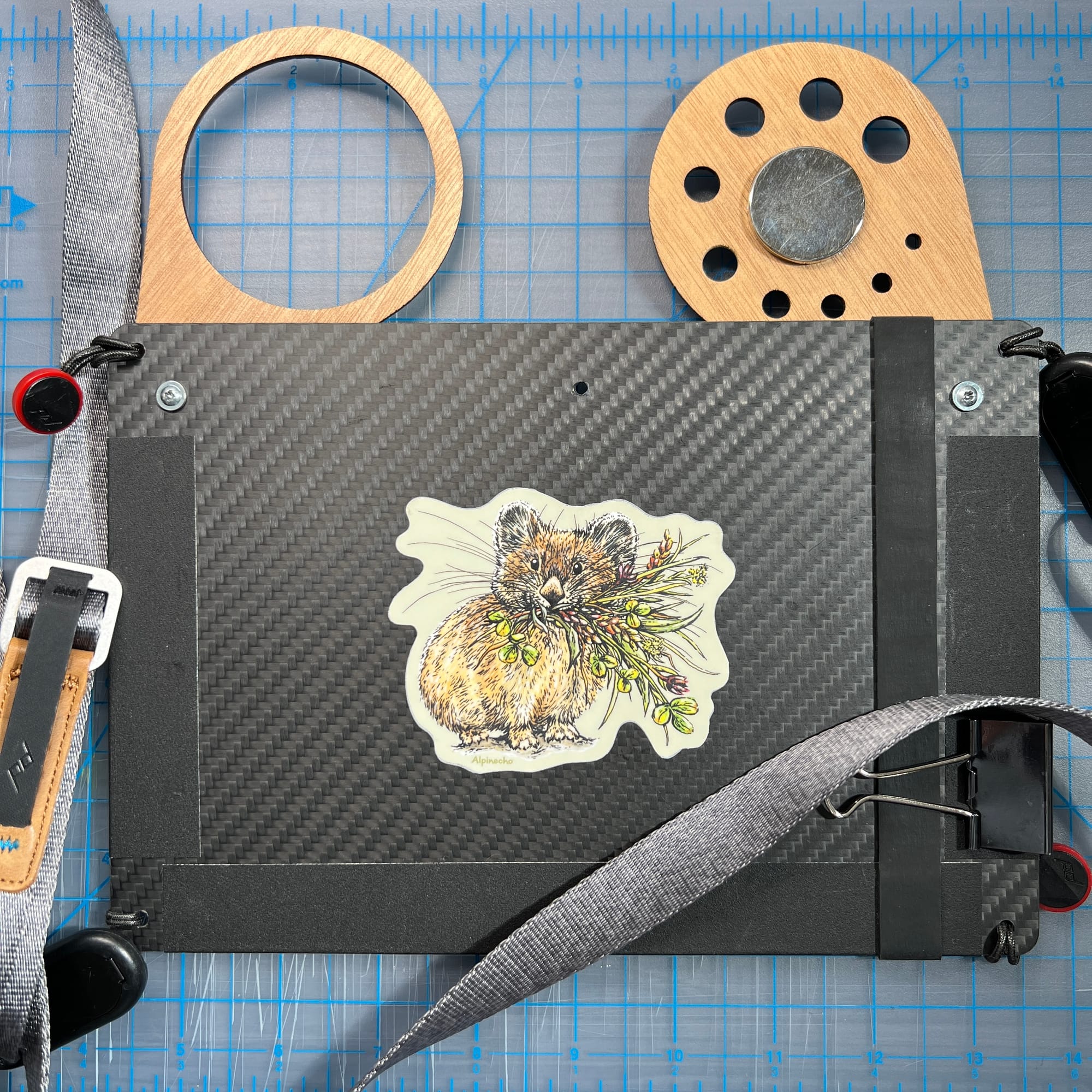
For now, here are the key components of the most simplified version of my easel, which I drape over my shoulder:
- Clipboard: Carbon Fiber Clipboard (this one is 6X9")
- The adjustable shoulder strap: Peak Design Leash Camera Strap (they come in a variety of colors including black, blue, sage, tan, and maroon)
- Water cup and brush holder attachments: StablO France. Note the brush holder shown above did not come with a magnet. I added that later. I affix these to my easel board using nuts, washers, and bolts.
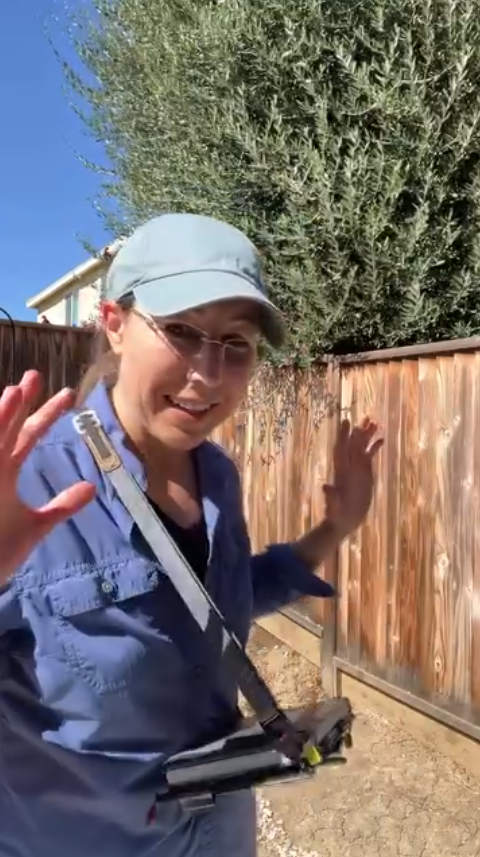
Here's a tutorial video showing how I assemble a hands-free sketch easel.
Bags
I switch between several types of bags depending on where I am going and how long I'll be out. I will add in others soon.
My most versatile, portable bag is the minimalist Fjällräven High Coast Shoulder Pack. While it comes with a decent strap, I prefer to outfit it with the Peak Design Leash Camera Strap which allows me to adjust it more easily (and more quickly). This bag holds all of my tools and is quite small.
When I want to carry everything and then some in the same bag—that means, all my painting gear, my sketch easel, my journal, my extra nature journaling supplies, my eye glasses, a small blanket, and more, I use the Pakt Everyday 5L Sling bag which is just gushing with organization.
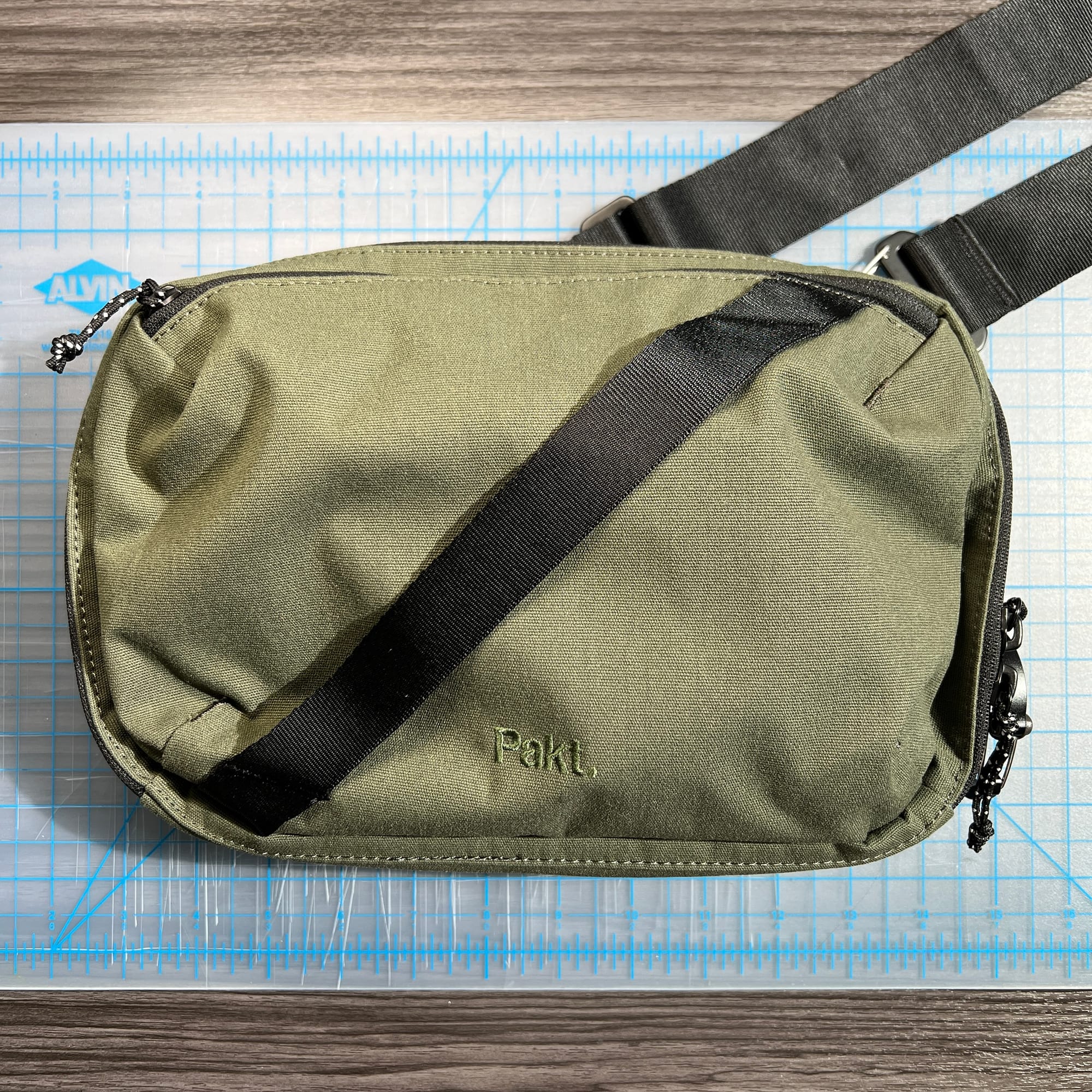
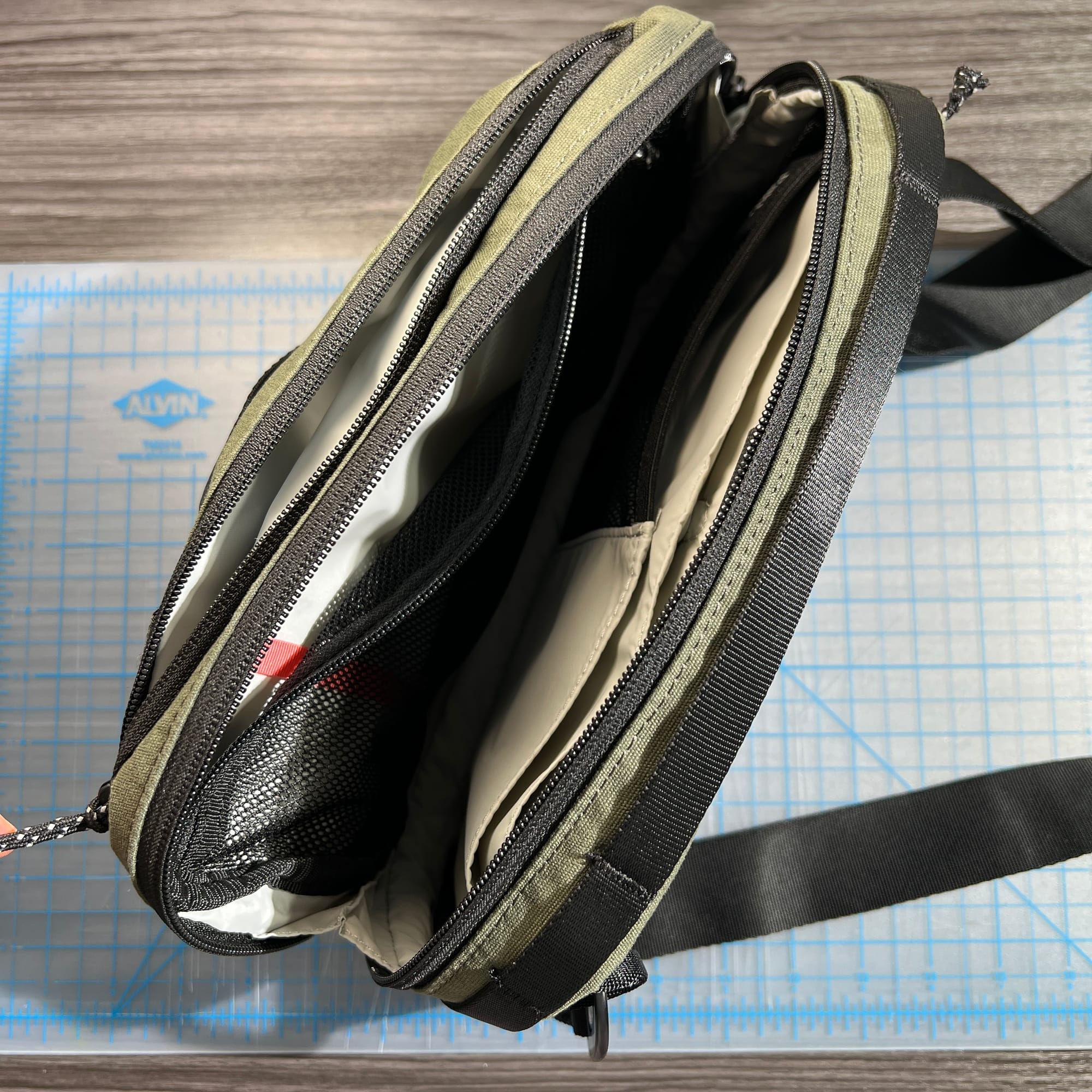
The Pakt Everyday 5L Sling bag is just gushing with organization. I use it when I want to pack the whole kitchen sink of art supplies + other items.
Miscellaneous
Some random bits and bobs that I love.
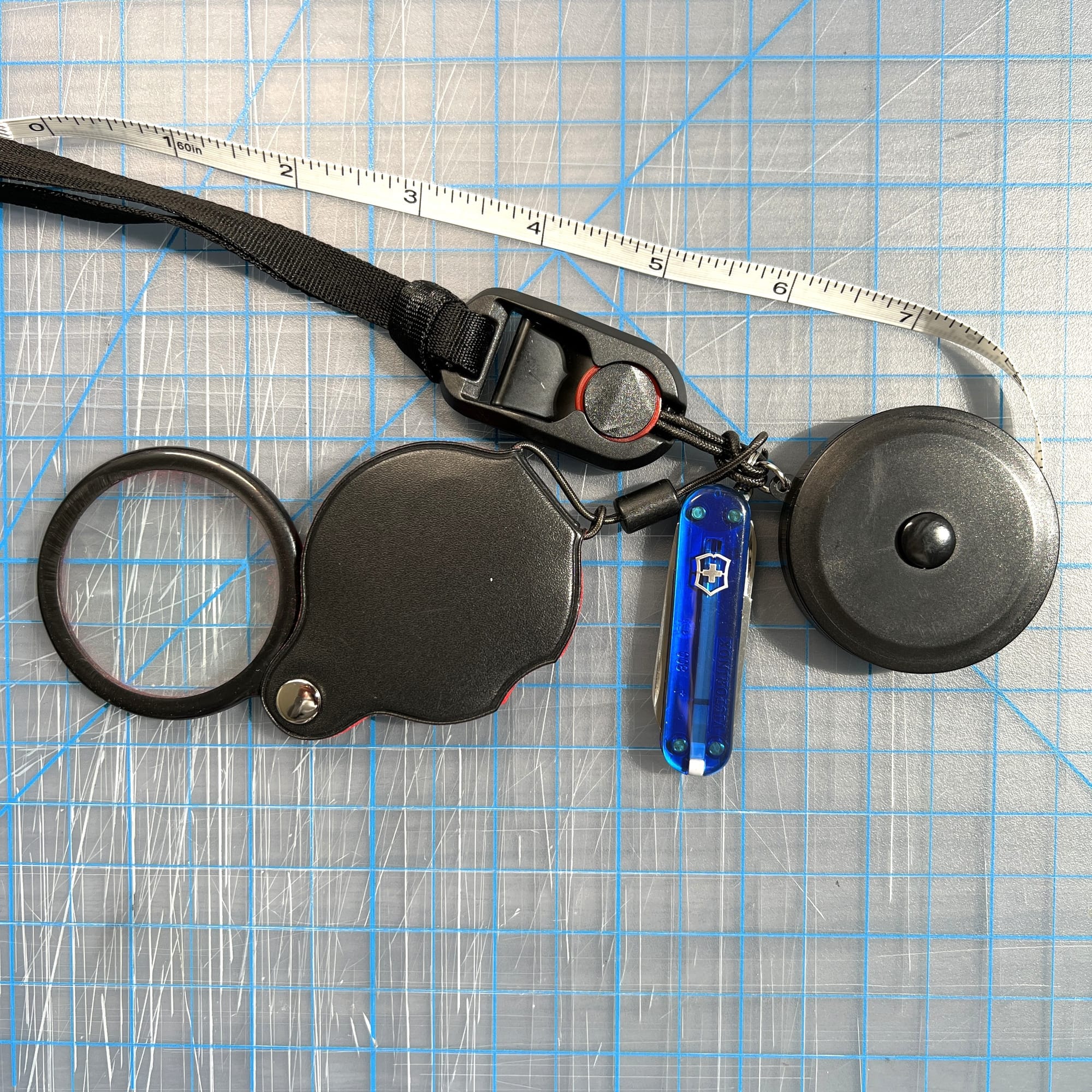
Some handy items include a magnifying loupe, a pocket knife for field clippings, a measuring tape, and a mini pocket blanket.
- Magnifying loupe: 10X Magnifying Glass Loupe (Small Pocket Magnifier)
- Simple pocket knife for field clippings: Victorinox Classic SD 7 Function Pocket Knife
- Measuring tape: Edtape 2PCS Measuring Tape
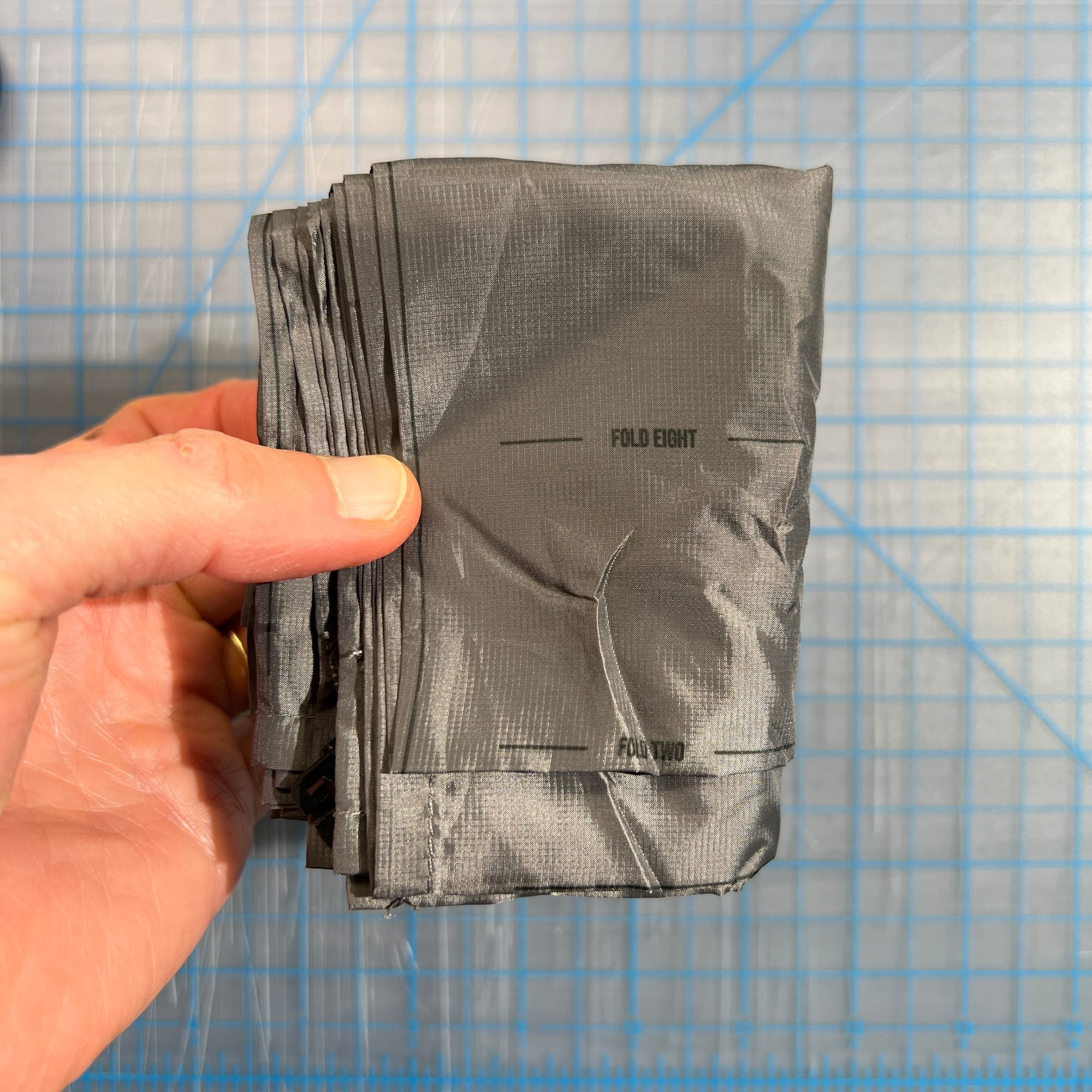
- Pocket Blanket: This Matador Mini Pocket Blanket is lightweight, water resistant, and packs down tiny
- Watercolor cups: Faber-Castell Clic & Go Artist Water Cup with Paint Puck Brush Cleaner
- Masking tape: ScotchBlue Original Painter's Tape 2090-18NC
- Sock (watercolor brush dabber)
An excellent idea from John Muir Laws: Cut the top off of an old sock and wear it around your wrist. It’s a great way to blot your watercolor brush. - Measuring tools: Westcott 7-Inch Goniometer Quick Angle Protractor
- Dry-through bag for watercolor Pocket Palette: Matador Soap Bar Case
- Masking fluid: Pebeo Easy Peel Liquid Latex Masking Fluid
- White out "paint": This Presto! Jumbo Correction Pen (Fine) is great for adding large sections (and tiny dots) of white over watercolor paint.
- Bulldog clips or binder clips to clip down your journal pages (especially helpful on windy days)
- Kneaded eraser: I like these by June Gold
- Viewfinder tool: The View Catcher is great for cropping scenes, determining proportions, and gauging color values.
- 360-degree rotating desk organizer caddy with 5 compartments: Chemlliy
Note: I am an affiliate with ArtToolkit and Amazon.com and might earn a commission if you purchase via these links. Thank you!